For those who don’t know exactly what a car alternator is, well basically a car alternator keeps your battery charged. It’s the power source for the headlight, blinkers, sound system, and every other electronic when the engine runs. Without it, you’d lose power to key parts and could stall.
How a Car Alternator Works?
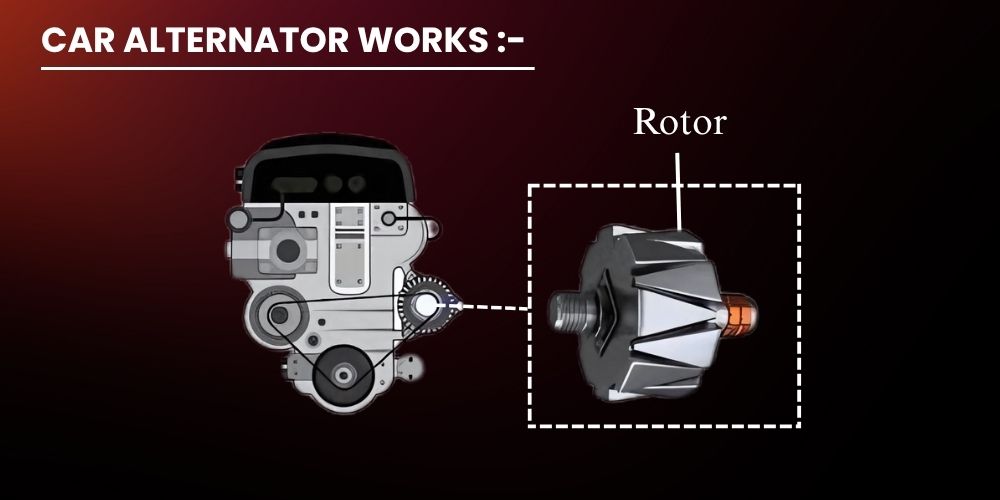
The car alternator generated power from the motion. A belt driven by the engine turns the alternator’s rotor inside the stationary stator. This motion generates alternating current (AC) in the stator windings. AC can’t run your car’s electronics directly, so a rectifier (a diode bridge) turns it into direct current (DC).
The tie between all of this is a voltage regulator that keeps up a stable output. The current normally runs at 14 volts, and therefore battery and electrical fittings receive the appropriate charge.
Key Components of a Car Alternator
Below are the most important components of a car alternator:
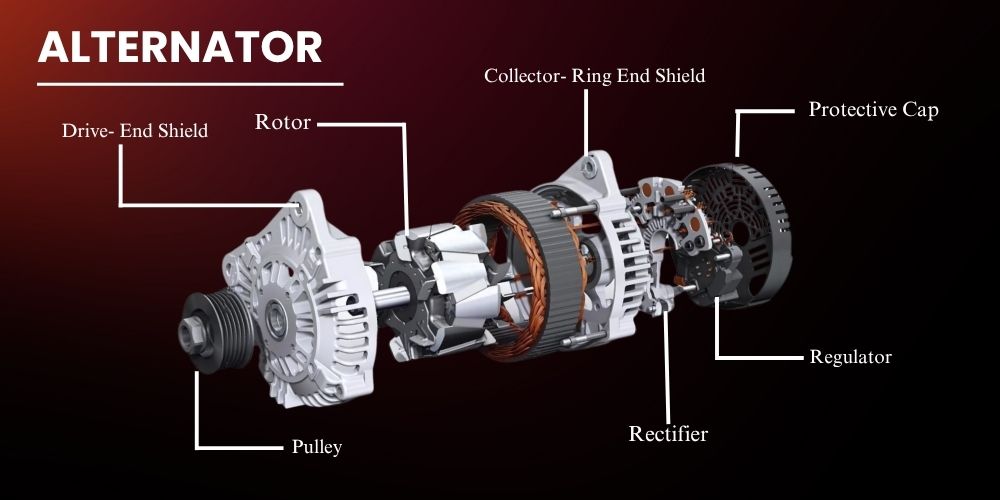
- Rotor: As the rotor spins within the stator, it produces a moving magnetic field that generates electricity in the surrounding windings.
- Stator: Fixed coils that produce AC as the magnetic field passes.
- Rectifier/Diode Bridge: Transforms AC to DC to the battery and electrical system.
- Voltage Regulator: Stabilizes voltage by maintaining field current. Find out more.
If you’re unfamiliar with any of these terms, check out our car battery glossary for simple explanations of components like stator, rotor, and voltage regulators.
Why the Alternator Matters
When the alternator breaks, the battery cannot power the car without running out soon. Modern vehicles require an ongoing power source in fuel injection, safety as well as comfort systems depend on it. A bad alternator will cause bad lights to dim, start, or even stall.
Common Signs of Alternator Failure
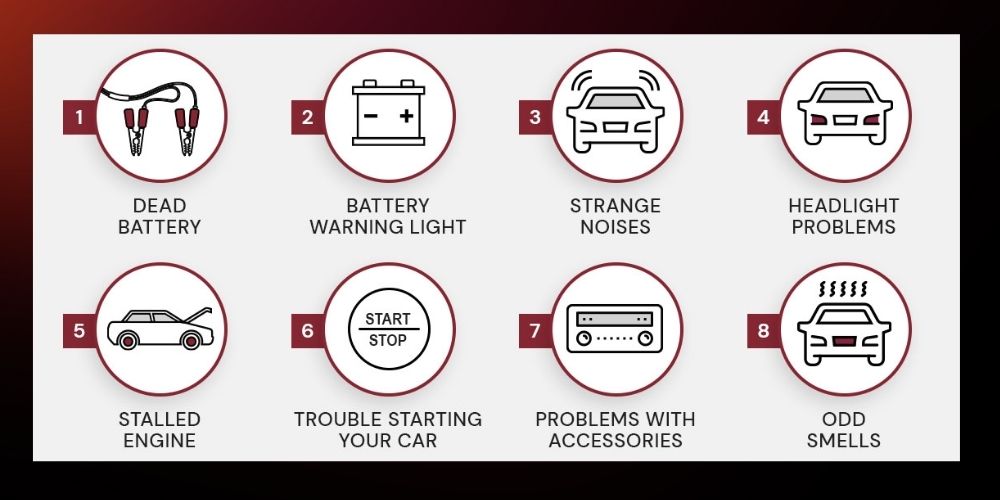
Alternators wear out for a few reasons. Bearings inside can fail from age or heat. The voltage regulator can stop working correctly. Diodes may burn out, letting the wrong current through. Belts can slip or crack, cutting power delivery. Even a dirty pulley or loose wire can cause a breakdown. Regular checks can catch these issues early.
How to Test a Car Alternator?

You can test car alternator performance yourself. Follow these 7 simple steps to check your battery’s health before assuming your alternator is at faultStart by checking the battery with a multimeter while the engine is off. A healthy reading is close to 12.6 volts. Then, start the engine and test again. It must now generate somewhere between 13.8 and 14.4 volts. If it’s around 12.6 volts or drops while the engine is running, the alternator likely is not charging the battery properly.
You can also test under load. Turn on lights and AC. If the voltage dips below 13 volts, that shows trouble.
Alternator vs. Battery: Understanding the Difference
| Component | Function | Issue Indicator |
| Battery | It stores electricity and supplies energy to fire up the engine before running. It preserves charge with the engine off and driving accessories during cranking. | A dying battery might lack sufficient power to run the engine leaving you stranded. |
| Alternator | Transforms mechanical rotation to electrical current when the engine is running. It recharges the battery and drives up lights, infotainment and other electronic elements. | A faulty alternator will lose charge in the battery, causing the batteries to go dead. If the car dies after running for a while, simply suspect alternator failure instead of a dead battery. |
Car Battery Health Check
Keeping your battery strong helps the alternator do its job. Do a Car battery health check once a season.
- Regular Charge Checks: If you have certain professional tools handy like voltmeter, you can use it to check before and after results.
- Terminal Care: Clean corrosion off battery posts and cables. Dirty connections reduce charge flow and strain the alternator.
- Load Testing: Use a battery load tester or have a shop do it annually, especially before winter.
Maintenance Tips
Maintenance at regular intervals ensures that you don’t get stranded in an awkward position. Here’s what you should know on top of your head:
- Look to see signs of cracks, glazing, or misalignments on belts and pulleys during every oil change.
- Alternators have vents and clear debris to make sure they do not overheat.
- Keep an ear on unusual noises coming from the engine, even a slight squeal will tell you that the bearing is worn.
- A quick multimeter to check test output periodically can catch a weak alternator before it fails.
When to Replace or Repair
Alternators can be rebuilt or replaced. If bearings or bushes fail, a rebuild may work. But if the diode pack or regulator is bad, replacement is often easier. Match the unit to your car’s specs. Always test the new one after installation. Make sure voltage and current output meet the needs of your vehicle.
Staying Ahead of Trouble
An easy thing to do is to set a reminder to check your alternator every year or 12,000 miles (whichever comes first). Watch your dash light. Pay attention to odd sounds during startup. A weak alternator will show signs before total failure. Catching it early means a quick fix, not a tow truck.
Conclusion
You could say the alternator becomes the car’s main power source once the engine is running. It keeps the battery charged up, aids in powering headlights, and power steering, and without it the ignition would not work. Being aware of its purpose and identifying car alternator issues in the beginning allows you to avoid a malfunction. Basic preventive measures like testing the output of the car alternator, doing a car battery health check, and maintaining the condition of belts will do a lot.
Important tips we have mentioned above should become a habit and you will not have to change your battery and alternator so frequently. Battery Crew recommends remaining on the offensive and ensuring that your car maintains power.